Daniel Webster on Executive Power, 1837
Webster Warns: Be Careful What You Wish For

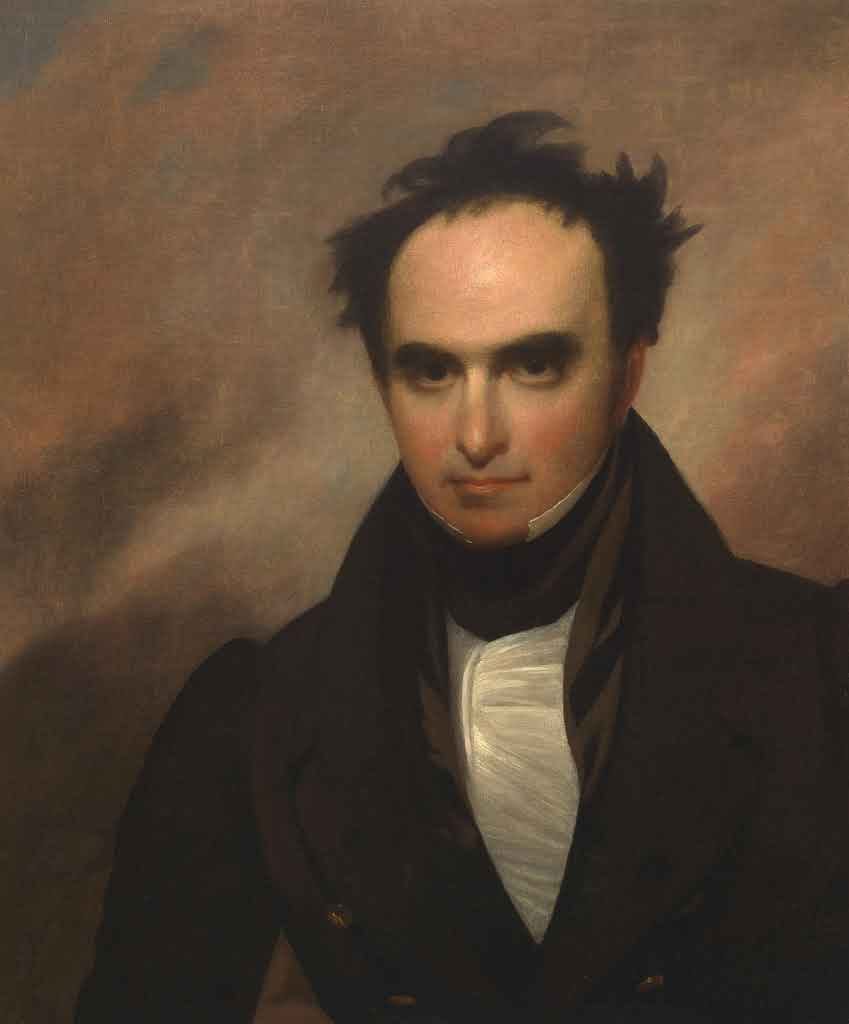
Below is an excerpt from an 1837 speech by Massachusetts Senator Daniel Webster (1782-1852), foremost constitutional lawyer of his time. The subject of his speech was executive power. The speech reminds us that those who cheer the exercise of executive power when it lies in favored hands may later rue the exercise of the same power when held by a less-loved Executive.
The context of the speech was as follows. Democrat Martin van Buren had taken office as President on March 4, 1837, succeeding Democrat Andrew Jackson. At a gathering of the Whig Party at Niblo’s Saloon in New York City (corner of Broadway and Prince Street) on March 15, 1837, Webster admonished those who had supported the expansion of executive power during the administration of President Jackson. Webster said:
“The rapid advancement of the executive authority is a topic which has already been alluded to. I believe there is serious cause of alarm from this source. I believe the power of the executive has increased, is increasing, and ought now to be brought back within its ancient constitutional limits. I have nothing to do with the motives which have led to those acts, which I believe to have transcended the boundaries of the Constitution. Good motives may always be assumed, as bad motives may always be imputed. Good intentions will always be pleaded for every assumption of power; but they cannot justify it, even if we were sure that they existed. It is hardly too strong to say, that the Constitution was made to guard people against the dangers of good intention, real or pretended. When bad intentions are boldly avowed, the people will promptly take care of themselves. On the other hand, they will always be asked why they should resist or question that exercise of power which is so fair in its object, so plausible and patriotic in appearance, and which has the public good alone confessedly in view? Human beings, we may be assured, will generally exercise power when they can get it; and they will exercise it most undoubtedly, in popular governments, under pretenses of public safety or high public interest. It may be very possible that good intentions do really sometimes exist when constitutional restraints are disregarded. There are men, in all ages, who mean to exercise power usefully; but who mean to exercise it. They mean to govern well; but they mean to govern. They promise to be kind masters; but they mean to be masters. They think there need be but little restraint upon themselves. Their notion of the public interest is apt to be quite closely connected with their own exercise of authority. They not, indeed, always understand their own motives. The love of power may sink too deep in their own hearts even for their own scrutiny, and may pass with themselves for mere patriotism and benevolence.” . . .
“Gentlemen, when I look back on that eventful moment [of earlier Senate debates], when I remember who those were who upheld this claim for executive power, with so much zeal and devotion, as well as with such great and splendid abilities, and when I look round now, and inquire what has become of these gentlemen, where they have found themselves at last, under the power which they thus helped to establish, what has become now of all their respect, trust, confidence, and attachment, how many of them, indeed, have not escaped from being broken and crushed under the weight of the wheels of that engine which they themselves set in motion, I feel that an edifying lesson may be read by those who, in the freshness and fulness of party zeal, are ready to confer the most dangerous power, in the hope that they and their friends may bask in its sunshine, while enemies only shall be withered by its frown. . . . “